|
 |
 |
||||
 |
skb@gouldpistonsandrings.com |  |
846312316 | |||
| Follow Us on : |
 |
 |
 |
|||
|
|
|
||||
|
skb@gouldpistonsandrings.com | |
846312316 | |||
| Follow Us on : |
|
|
|
|||

| Material | ||||||||||||||||||||||||||||||||||||||||||||||||||||||||||||||||||||||||||||||||||||||||||||||||||||||||||||||||||||||||||||||||||||||||||||||||||||||||||||||||||||||||||||||||||||||||||||||||||||||||||||||||||||||||||||||||||||||||||||||||||||||||||||||||||||||||||||||||||||||||||||||||||||||||||||||||||||||||||||||||||||||||||||||||||||||||||||||||||||||||||||||||||||||||||||||||
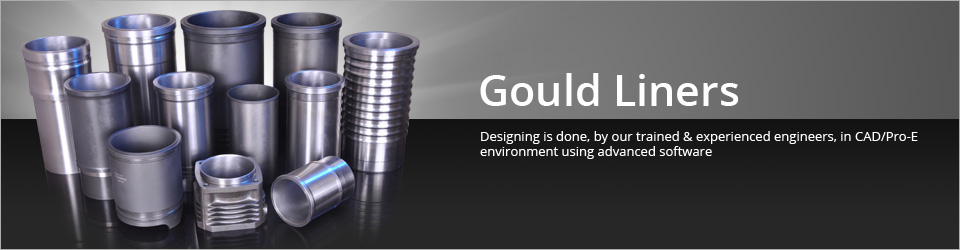
Liners
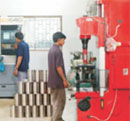
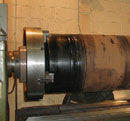
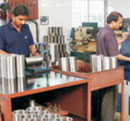
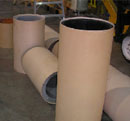
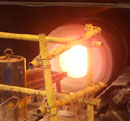
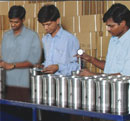
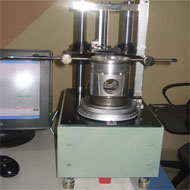
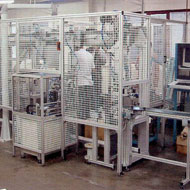
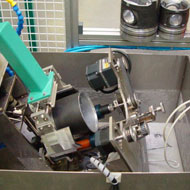
In the centrifugal casting process, the molten metal is poured into a metal mould or a die which is revolving at a high speed. Due to centrifugal force the impurities, being lighter than iron, are forced to the bore surface from which they are removed by machining. The centrifugal force causes the metal to distribute itself evenly around the die & the resulting castings are of much finer grain and free from blow holes or porosity. The speed of the rotation and metal pouring rate vary with the alloy and size and shape being cast. Perfectly shaped spun Cast Cylinder Liners resist distortion and vibration reducing the risk of cavitations. The castings are removed from the mould at a temperature of 500 degree Celsius. As a next step, GPR Cylinder Liners & Sleeves are machined in our well equipped plant having latest & sophisticated special purpose, indigenous machines. Boring is then performed in two stages - one is rough boring and the other is final boring. The final boring is done on vertical/horizontal boring machine exclusively designed for cylinder liners, sleeves and air cooled blocks.
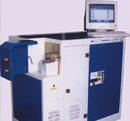
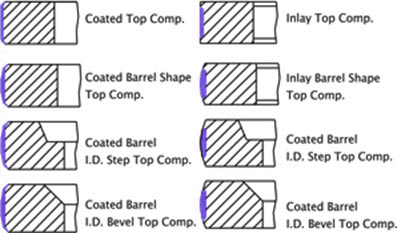
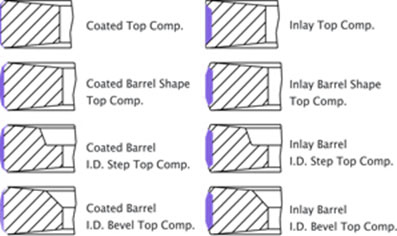
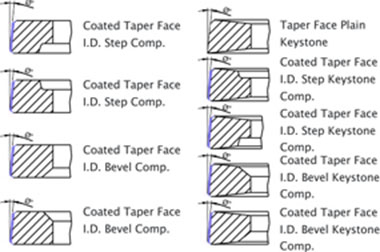
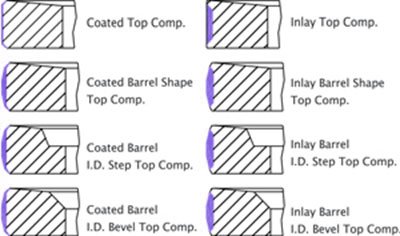
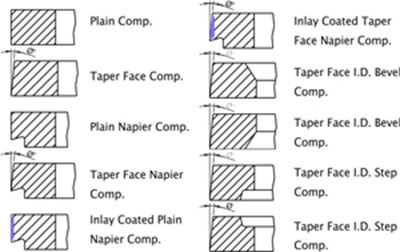
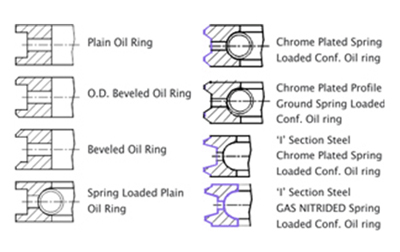
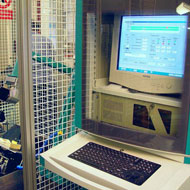
The machining of outer diameter, radius and grooves are carried out on CNC machine with the best process capabilities with online in-process inspection facilities. The Bore diameter is subsequently honed by using fully automatic PLC controlled Plateau Hydraulic machine to obtain required honing geometry and surface roughness parameters. Some of the designs supplied by GOULD are as follows.
VideoPlant Photos
Types of LinersVarious Cross Sections
RangeClick Here for Download Full Catalogue
Quality
Online DiscountsAvail this Special Offer:
|
||||||||||||||||||||||||||||||||||||||||||||||||||||||||||||||||||||||||||||||||||||||||||||||||||||||||||||||||||||||||||||||||||||||||||||||||||||||||||||||||||||||||||||||||||||||||||||||||||||||||||||||||||||||||||||||||||||||||||||||||||||||||||||||||||||||||||||||||||||||||||||||||||||||||||||||||||||||||||||||||||||||||||||||||||||||||||||||||||||||||||||||||||||||||||||||||
| © 2013 Gould Automotive | Disclaimers & Privacy Policy | Designed by: Creation infoways Pvt. Ltd. |
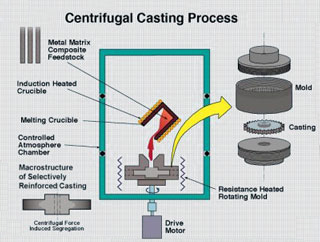 At GOULD, Cylinder Liners (Dry & Wet) manufactured by the "Centrifugal Cast Process" is acknowledged to be the best method. This process, performed by Semi-Automatic Horizontal/ Vertical centrifugal Casting machine, provides the liner with bearing metal qualities that cause skin healing after abrasion, and a structure that is readily wetted by oil and retains an oil film. Corrosion resistance is further improved by adding Chromium in the metal.